
January 2025 Edition
First of all, I want to wish you all a very happy holiday season and new year!
Now, I have an important announcement:
This January, Embody365, the App, will be launched and you will receive a notice when it is available to you. This subscription program will offer a daily embodiment practice that will truly transform your life, one day at a time. Decades of research and clinical vetting has gone into the creation of this powerful 365 day program that will offer you incredible posture, increased vitality and beauty, improved health and immunity, and that's just the beginning, so stay tuned!
I am very happy to present this first inaugural newsletter, and I intend that it will bring support to an area that needs our greatest attention. Having worked on tens of thousands of people since 1978, I have closely witnessed the difficulties that our culture has with generating energy and breath. My hands have literally sculped and opened rib cage expansion and volume to bring more life and vitality for ideal health. I have seen tremendous dysfunction in most people's attempts to take a natural breath due to so many factors and conditions, but mostly from our reaction to the great stress many of us are under, present and past. I would like to help! We have turned the corner on the new year, and it's time to breathe a new breath of life!
Building a Relationship with Your Breath
In the rush of modern life, many of us overlook one of the most powerful tools we carry within us: our breath. It's more than just a mechanism for survival- it's a gateway to physical health, emotional stability, and mental clarity. Developing a conscious relationship with your breath can lead to profound improvements in well-being. Recent studies emphasize the importance of mindful breathing. Research from Harvard Medical School (2019), found that focused breathing can significantly lower cortisol levels, reducing stress and anxiety. Similarly, a 2020 study published in Frontiers in Psychology revealed that slow, controlled breathing improves heart rate variability, an indicator of cardiovascular health and resilience to stress. Breath work has even been shown to enhance cognitive function and sleep quality, according to a study in Scientific Reports (2021).
Despite these benefits, many people unknowingly breathe shallowly, relying on their chest instead of their diaphragm. This type of inefficient breathing can perpetuate stress, fatigue, and even chronic pain. Fortunately, by cultivating breath awareness, we can retrain our bodies to breathe in ways that support vitality and balance.
"When the breath is unsteady, all is unsteady.
When the breath is still, all is still."
- Hatha Yoga Pradipika
Three Simple Breathing Exercises
To begin developing a deeper relationship with your breath, try these exercises! Each is designed to increase awareness, capacity, and connection with your breath.
1. Diaphragmatic Breathing
This foundational exercise engages the diaphragm, the muscle responsible for deep, efficient breathing.
Steps:
- Sit or lie down in a comfortable position. Place one hand on your chest and the other on your belly.
- Inhale deeply through your nose, allowing your belly to rise while keeping your chest relatively still.
- Exhale slowly thorugh your mouth, letting your belly fall naturally.
- Repeat for 5-10 minutes, focusing on the sensation of your breath.
Benefits: Improves oxygen exchange, reduces stress, and promotes relaxation.
2. Box Breathing
This technique, popular among Navy SEALs, helps calm the nervous system and improve focus.
Steps:
- Inhale through your nose for a count of 4.
- Hold your breath for a count of 4.
- Exhale slowly through your nose or mouth for a count of 4.
- Pause for another count of 4 before beginning the next inhale.
- Continue this pattern for 5 minutes.
Benefits: Enhances concentration, reduces anxiety, and promotes mental clarity.
3. Breath Awareness Meditiation
This practice combines mindfulness with breath awareness to cultivate a deeper connection to your breath.
Steps:
- Sit in a quiet place with your spine straight and shoulders relaxed. Close your eyes.
- Bring your attention to your breath. Notice the coolness of the air as it enters your nostrils and the warmth as it exits.
- If your mind begins to wander, gently guide it back to the sensation of breathing.
- Practice for 10-15 minutes daily.
Benefits: Increases mindfulness, reduces stress, and fosters a sense of inner peace.
Why This Matters
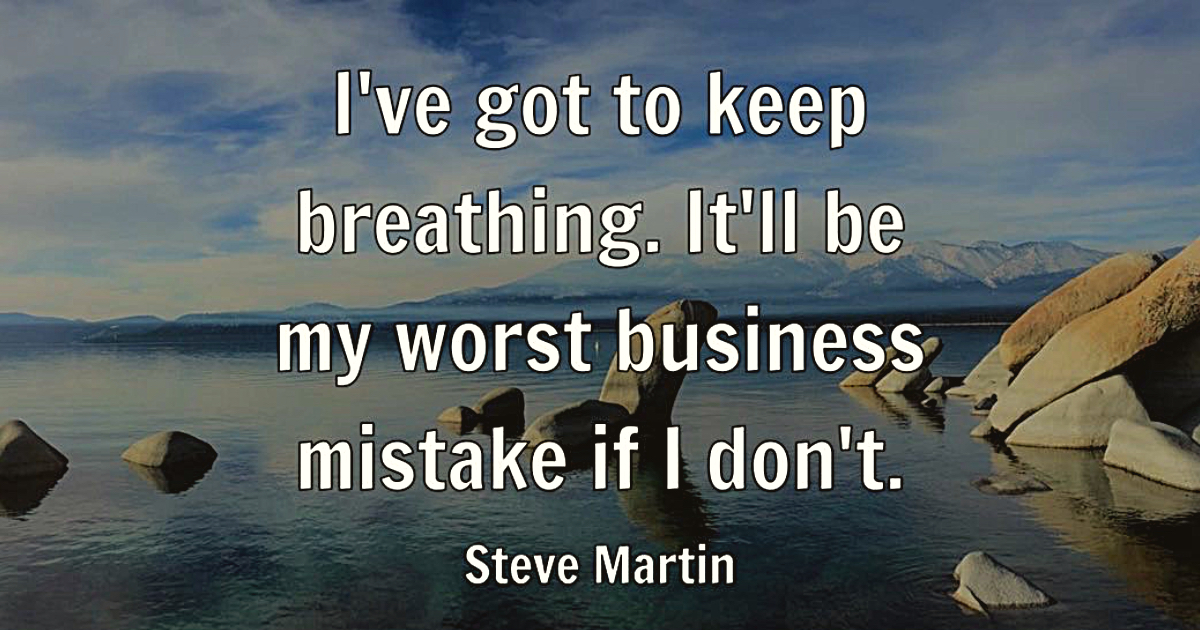
Your breath is your constant companion, always available to ground you, energize you, or calm you in moments of need. By nurturing a conscious relationship with it, you unlock the potential for a more balanced, resilient, and vibrant life.
Whether you're just beginning or looking to deepen your practice, remember: each breath is an opportunity to connect with yourself. So pause, inhale deeply, and exhale fully. You've got this.
References
1. Harvard Medical School. (2019). The calming benefits of breathing exercises.
2. Scientific Reports. (2021). Effects of slow breathing on autonomic function and sleep quality.
3. Frontiers in Psychology. (2020). The impact of diaphragmatic breathing on stress resilience.
Take a deep breath and explore more resources on
mindful living in our next issue!
- The Embody365 Team




Responses